A capsule wardrobe that actually works, not the Pinterest version
Why most capsule wardrobe guides fail within a season, and the smaller, duller method that actually holds up to a real working week.
We earn a commission if you buy through our links — and we buy everything we write about, at full price. That is the whole deal.
Most capsule wardrobe content is written for a photograph, not a week. Thirty-three matching pieces in one palette looks compelling as a flat-lay and falls apart the first time you need something for a specific occasion the list didn't plan for. The version that actually holds up is smaller, plainer, and built around what you do, not what looks good stacked on a shelf.
Start with your actual week, not a template
Count your real occasions across two weeks: work days, one dressier thing, weekends, whatever exercise or errands you do in clothes you'd mind ruining. Most templates assume a uniform week that doesn't match how most people actually live. Build the list from your calendar, not someone else's.
Buy the coat before anything else
It's the piece other people see for the longest stretch of any outfit, it covers whatever is underneath on a bad day, and a well-made one outlasts several seasons of everything else combined. If the budget only stretches to one considered purchase, this is it — see the checks in how to spot well-made clothes before you commit.
Fewer colors than feels safe
Two neutrals and one accent is enough for a working wardrobe. Every additional color family adds combinations you have to actively plan rather than pieces that default to working together. This feels restrictive on paper and stops feeling like a constraint within about two weeks of actually wearing it.
The 80/20 nobody admits to
Most people wear roughly a fifth of their wardrobe for four-fifths of the time regardless of how carefully it was built. A genuine capsule doesn't fight this — it makes that fifth deliberate instead of accidental, and lets the rest go without guilt.
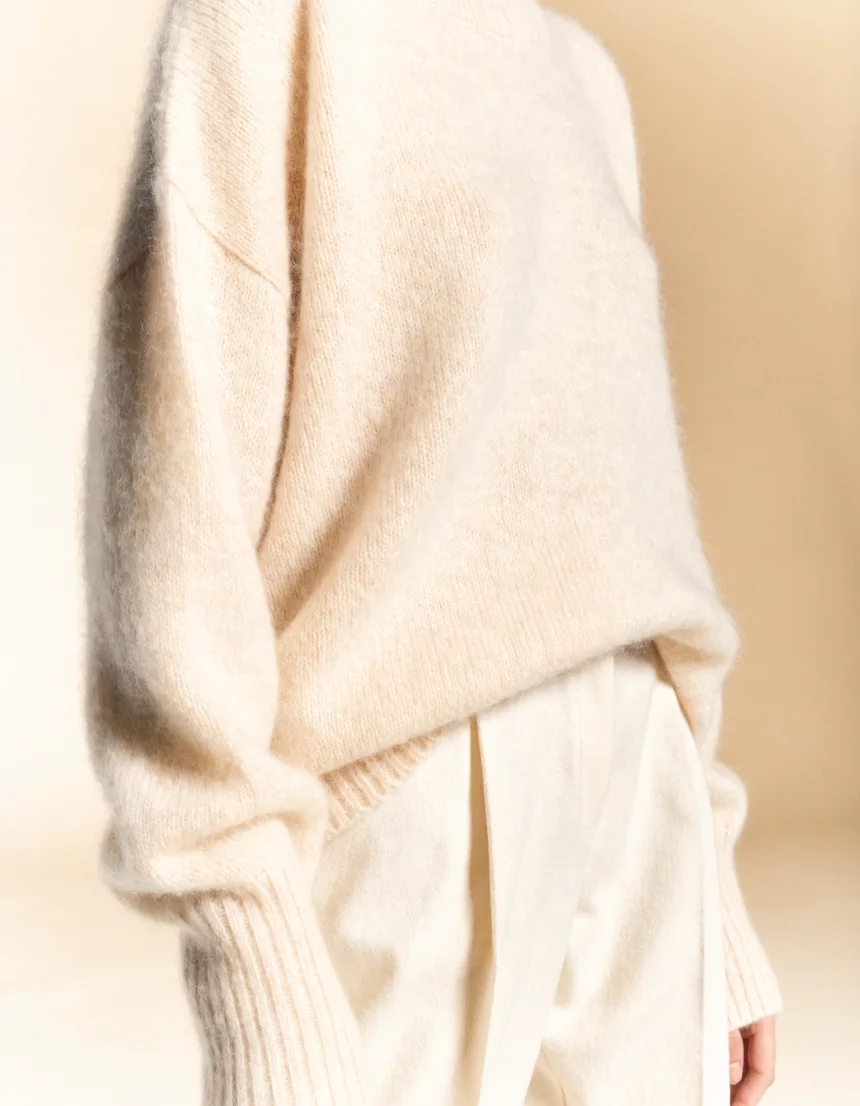
Knitwear is where to spend, not where to save
It's against your skin all day and it's the first thing that pills, stretches or loses shape under a cheap build. Worth reading before you buy: wool vs cashmere vs merino, since the fiber choice here matters more than almost anywhere else in the wardrobe.
Review it in three months, not never
A capsule is not a one-time purchase — it's a standing decision to keep replacing what doesn't earn its place. Anything unworn after a full season answers its own question. For pieces that have already passed that test, see the fashion edit.
Why the standard capsule fails
Almost every capsule guide is built backwards: it starts from a number — thirty-three pieces, thirty-seven, whatever — and then works out what should fill it. That produces a wardrobe that photographs beautifully and does not survive contact with a real week, because it was designed around an aesthetic rather than around your actual days.
The other failure is neutrality as a rule rather than a tool. An all-beige wardrobe is not versatile; it is monotonous, and monotony is why people abandon capsules in month three and buy something loud out of sheer boredom.
Build it from your week, not from a list
Write down what you genuinely did over the last fourteen days. Not what you intend to do — what happened. Most people find something like nine days that needed presentable-but-comfortable, three that needed properly smart, and two that needed nothing at all.
Then allocate in that proportion. If eighty percent of your fortnight was the same register, eighty percent of the wardrobe should serve it. This is the entire method, and it is the reason most capsules fail — they are weighted toward the occasions people imagine rather than the ones they have.
The pieces that genuinely earn a place
One coat that fits properly. It goes over everything, it is what people see, and it is the single piece that makes cheaper things underneath read as deliberate.
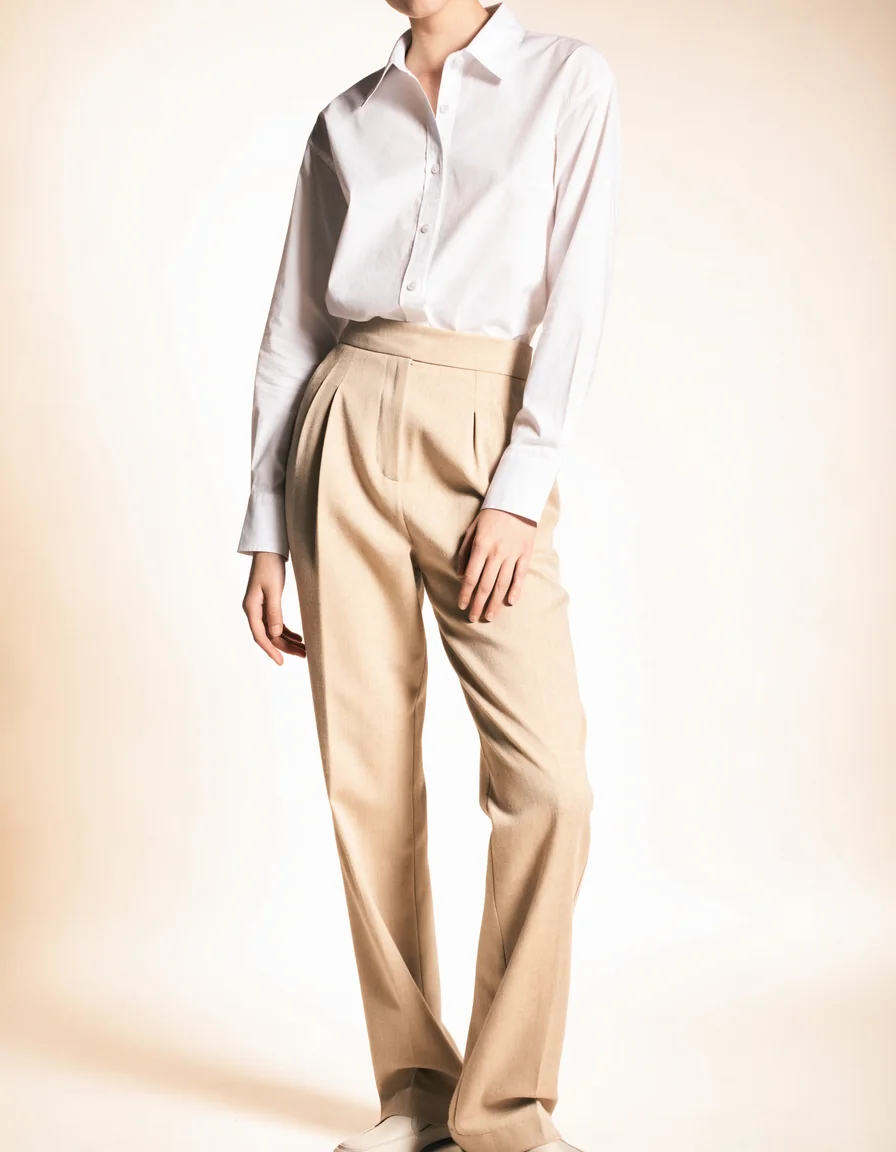
Two pairs of trousers in different registers. One relaxed, one sharp. This covers more ground than four pairs of similar ones.
Three tops you like the feel of. Feel, not look. You will wear the comfortable one and leave the beautiful scratchy one on the hanger, every time, forever.
One thing that makes you feel expensive. Not for occasions — for ordinary Tuesdays, when the day needs rescuing. Skipping this is why the disciplined wardrobes get abandoned.
Shoes you can actually walk in. Two pairs is usually enough, and it is nearly always the shoes rather than the clothes that decide whether an outfit gets worn.
The one-in-one-out rule, and its exception
The rule works: nothing new enters until something leaves. It stops the slow accumulation that turns a capsule back into a wardrobe within a year.
The exception is replacement. When a piece genuinely wears out — not bores you, wears out — replacing it is not an addition and should not require a sacrifice elsewhere. Treating replacement as expansion is how people end up under-dressed and disciplined about it.
What to do with what you take out
Do not throw it away and do not immediately sell it. Put it in a box, out of sight, for three months. Roughly one piece in six comes back out, usually one you were sure about. The rest can go with genuine confidence, and that confidence is what stops the whole exercise being one you repeat every year.